All-Inclusive Tire Shop Services to Keep You Rolling
Tire shop assistance play an essential role in vehicle safety and capability. Regular checks, such as pressure checks and rotations, extends tire life and guarantees peak traction. Selecting the best tires for individual driving conditions further enhances handling and efficiency. However, many drivers disregard these vital services. Understanding the full scope of tire care can lead to significant improvements in both safety and cost-effectiveness. What factors should be prioritized to enhance tire performance?
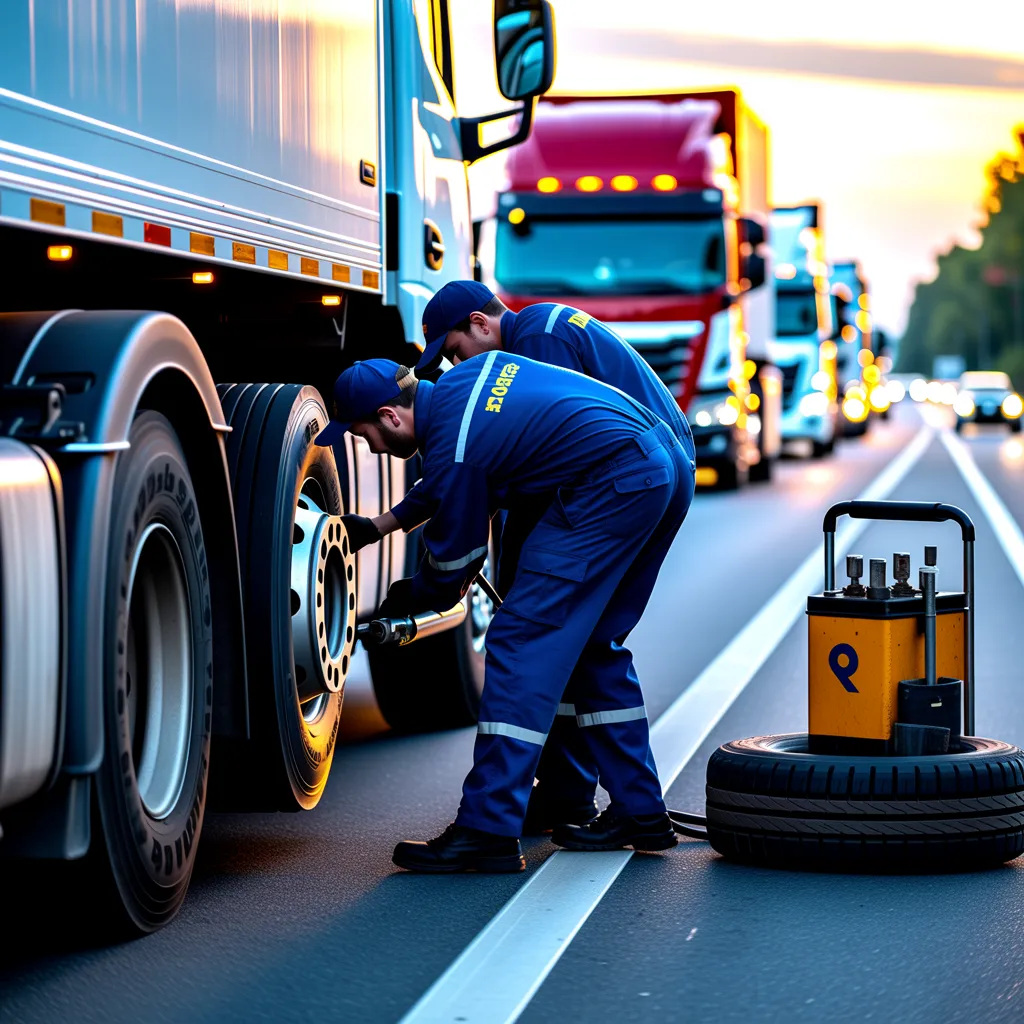
The Importance of Tire Upkeep for Security
Tire maintenance serves an vital role in guaranteeing vehicle safety. Consistently checking tire pressure, tread thickness, and overall state can avoid hazardous situations on the road. Under-inflated tires may result in decreased traction, increasing the risk of skidding or blowouts, especially in adverse weather conditions. On the other hand, over-inflated tires can cause uneven wear and compromise handling.
In addition, rotating tires regularly supports even wear, maximizing their lifespan and enhancing performance. Proper alignment and balancing further lead to safe driving by preventing vibrations and guaranteeing stability.
Failing to care for tire condition not only jeopardizes road safety but also impacts fuel efficiency, creating higher costs over time. Drivers are urged to assess their tires monthly and seek certified evaluations during regular maintenance appointments. By stressing tire care, car owners can substantially diminish the chance of incidents and guarantee a safer, more comfortable ride quality.
Finding the Best Tires for Your Car
Selecting the appropriate tires is vital for optimal vehicle operation and protection. Understanding the various tire types and their specifications can direct consumers in making informed decisions. This understanding guarantees that drivers select tires that best suit their road environments and vehicle requirements.
Tire Styles Covered
Picking the ideal tires for a vehicle can notably affect security, performance, and fuel efficiency. There are several types of tires offered, each engineered for certain driving conditions and demands. All-season tires provide a consistent performance for multiple weather conditions, making them a popular option for daily use. On the other hand, winter tires are developed with unique tread patterns and rubber compounds to deliver superior traction on snow and ice. Performance tires, created see guide for sports cars, improve handling and cornering performance at higher speeds. Off-road tires possess aggressive treads for improved grip on rough terrains. Understanding these differences allows vehicle owners to choose tires that best match their driving style and the environment where they operate.
Understanding Tire Details
Understanding tire parameters is vital for guaranteeing optimal performance and security in any vehicle. Each tire comes with a series of parameters, such as width, aspect ratio, and diameter, which are indicated on the sidewall. The width, measured in millimeters, influences traction and handling, while the aspect ratio reflects the tire's height relative to its width, affecting ride comfort. Additionally, the diameter, represented in inches, must match the vehicle's rim size for proper fitment. Other important factors include load index and speed rating, which determine how much weight a tire can carry and its maximum speed capability. Selecting the appropriate tires based on these specifications improves driving experience, improves fuel efficiency, and guarantees safety on the road.
Advantages of Professional Tire Setup
While many car owners may think about DIY tire installation to cut costs, the benefits of professional tire installation often outweigh the initial cost. Professionals possess the proper skills and knowledge to ensure that tires are mounted correctly, reducing the risk of improper fitment that can cause safety hazards. Additionally, they utilize specialized equipment that provides accurate alignment, resulting in a more comfortable drive and improved handling.
Furthermore, professional installation often includes a detailed assessment of the vehicle's tire alignment and suspension components, revealing potential difficulties that a lay installer might disregard. This anticipatory approach can extend the useful life of both tires and vehicle components, in the final analysis conserving money in the long run. Furthermore, many tire shops offer guarantees on their installation services, providing vehicle owners with assurance. By allocating funds in professional installation, drivers can enhance safety, performance, and longevity, making it a judicious choice for any vehicle owner.
The Importance of Tire Rotations in Maintenance
Regular tire rotations are necessary for maintaining peak vehicle performance and maximizing tire life expectancy. By distributing tire wear, this procedure helps guarantee even tread levels, which can extend the lifespan of the tires. Consequently, drivers can benefit from improved responsiveness and safety on the road.
Advanced Tire Preservation Duration
Tire rotations hold an essential role for increasing tire longevity by promoting even wear throughout all tires. This routine helps balance the weight and forces acting on each individual tire, which may differ according to their position on the vehicle. Front tires often face greater wear due to steering and braking forces, while rear tires may wear in varying ways based on driving habits and road conditions. Performing regular rotations, typically suggested every 5,000 to 8,000 miles, can significantly extend the lifespan of tires, delaying the need for replacements. By ensuring even tire wear, vehicle owners can achieve enhanced performance, safety, and cost-effectiveness over time, ultimately maximizing their investment in tire maintenance.
Upgraded Car Performance
Maintaining balanced tire wear through rotations greatly enhances vehicle performance. Regular tire rotations guarantee even distribution of wear across all tires, which is crucial for optimal handling, traction, and stability. This practice helps prevent premature tire degradation and guarantees that the vehicle behaves consistently in various driving conditions. Uneven tire wear can lead to compromised steering, increased road noise, and decreased fuel efficiency, all of which harm overall performance. Additionally, consistent rotations promote a smoother ride by reducing vibrations and improving ride quality. By prioritizing tire rotations as part of routine maintenance, vehicle owners can enhance safety, extend tire lifespan, and enjoy a more efficient driving experience. Ultimately, this simple maintenance task plays a significant role in vehicle performance.
When Should You Have Your Tires Adjusted?
How regularly should motorists consider aligning their tires? Tire alignment is an vital component of vehicle upkeep, generally recommended every 6,000 to 10,000 miles. However, several factors can affect this interval. For instance, frequent driving on rough roads, hitting potholes, or experiencing uneven tire wear may necessitate more frequent alignments.
Additionally, drivers should monitor their vehicle's handling behavior; if the steering system pulls to one side or if the tires exhibit variable wear, an alignment check is advisable. Seasonal fluctuations and rotating tires can also influence alignment needs, highlighting the necessity of regular inspections.
In the end, upholding a proactive approach to tire alignment can boost vehicle performance, optimize fuel efficiency, and prolong tire lifespan. Routine checks ensure that the vehicle remains safe and drives smoothly, making it imperative for all drivers to stay alert about their tire alignment schedule.
Flat Tire Repair Solutions and Best Tire Upgrades
Confronted by a flat tire, drivers have several effective possibilities to contemplate for fast restoration and long-term upgrades. Instant remedies often entail using tire sealants or patches, which can briefly seal small punctures and allow drivers to reach a service station. However, for a more robust fix, expert treatment or replacement is preferred, particularly for larger damages.
Alongside repairs, upgrading to higher-quality tires can boost overall performance and safety. Versatile or high-performance tires can provide enhanced traction and handling, whereas run-flat tires offer the perk of driving short distances after a puncture, avoiding the immediate need for a replacement. Drivers should also consider investing in regular tire maintenance, including rotations and pressure checks, to extend tire life and prevent future flats. In the end, a combination of effective repair approaches and quality upgrades can guarantee that drivers remain safe and mobile on the road.

Popular Inquiries Posed Often
How Can I Tell if My Tires Are Worn Out?
To determine if tires are used up, one should inspect tread depth, examining wear indicators. Cracks, bulges, or uneven wear patterns also reveal potential issues. Continuous inspections and surveillance can guarantee safe driving conditions.
How Long Does a Standard Tire Endure?
The span of a standard tire spans from 25,000 to 50,000 miles, shaped by factors including driving habits, maintenance, and pavement quality. Regular inspections can assist in finding when a tire requires renewal.
Can I Mount Varied Tire Brands on My Vehicle?
Installing different tire manufacturers on a vehicle is generally not recommended. Variations in tread patterns, rubber compounds, and performance characteristics can produce uneven wear, weakened handling, and decreased safety, potentially affecting overall driving stability.
What ought to I Do if I experience a Tire Blowout?
If a tire blowout occurs, the driver should remain composed, maintain a tight hold on the steering wheel, gradually decelerate, and safely pull over to a safe area before assessing the problem and calling for help.
How Do I Properly Keep My Tires?
To properly store tires, wash them completely, arrange them vertically in a cold, moisture-free location away from direct sunlight, and guarantee they are not resting on their sidewalls to maintain their shape and integrity.